Claws Out: How Esports' Most Misunderstood Grip Is Winning Back the Pros
For years, the claw grip lived in a weird limbo. Coaches warned against it. Ergonomics guides called it a fast track to tendinitis. Meanwhile, palm grip got all the glory — comfortable, natural, supposedly the "correct" way to hold a mouse. And fingertip grip earned its niche among the twitchy, ultra-precise crowd who barely touched their mice at all.
But the claw grip? It was the awkward middle child nobody wanted to claim.
That's changing. Quietly, and then all at once, claw grip is making a serious comeback in competitive esports — and the hardware world is finally catching up.
What Claw Grip Actually Is (And Why It Got a Bad Rap)
If you're not familiar, claw grip is exactly what it sounds like. Your palm rests on the rear of the mouse, but your fingers arch upward at the knuckles, creating a claw-like contact point with the buttons. You're not fully resting your fingers flat (that's palm), and you're not hovering above the mouse using only your fingertips (that's fingertip). Claw sits in between — and that in-between position is where things get interesting.
The bad reputation came from a few legitimate concerns. Arching your fingers for extended sessions can fatigue the tendons faster than a relaxed palm grip. Early esports culture, drawing from whatever ergonomic advice existed at the time, pushed players toward palm as the "safer" default. Claw became associated with younger players who hadn't been corrected yet, or with people using mice that were simply too big for them.
Here's the thing though: a lot of that critique was aimed at bad claw technique on poorly matched hardware — not at claw grip itself.
The Biomechanical Case for Going Back to Claws
When you use a claw grip properly, something interesting happens with your wrist and arm mechanics. Because your fingers are elevated and arched, you get faster actuation on clicks — the travel distance from a neutral position to a full press is shorter than with palm grip. For games where rapid, repeated clicking matters (think tactical shooters, real-time strategy, or even fast-paced MOBAs), that slight edge in click speed is measurable.
There's also a precision argument. Claw grip gives you a split control system: your palm and wrist handle large movements, while your elevated fingers handle micro-adjustments and quick flicks. Palm grip players often have to commit more of their arm to corrections. Fingertip players sacrifice stability for speed. Claw players, when the technique is dialed in, get a bit of both.
Sports scientists who've looked at hand mechanics in gaming contexts have noted that claw grip engages the intrinsic hand muscles differently — in ways that can actually support fine motor control, provided the player trains properly and uses gear that doesn't fight against the grip.
Why Hardware Finally Matters Here
Here's where it gets relevant for anyone shopping for a new mouse: until recently, almost no manufacturers were designing specifically for claw grip. You had mice built for palm — longer, rounder, with a high rear hump. You had mice built for fingertip — short, flat, lightweight. Claw players were left to find whatever worked through trial and error.
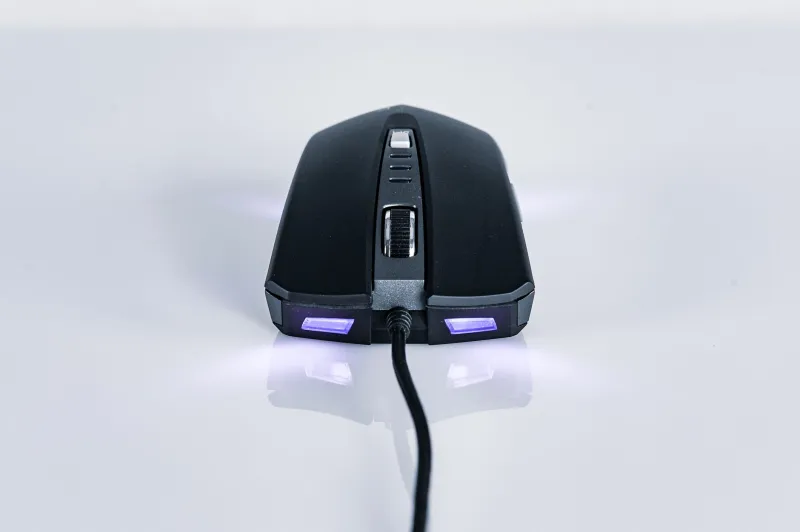
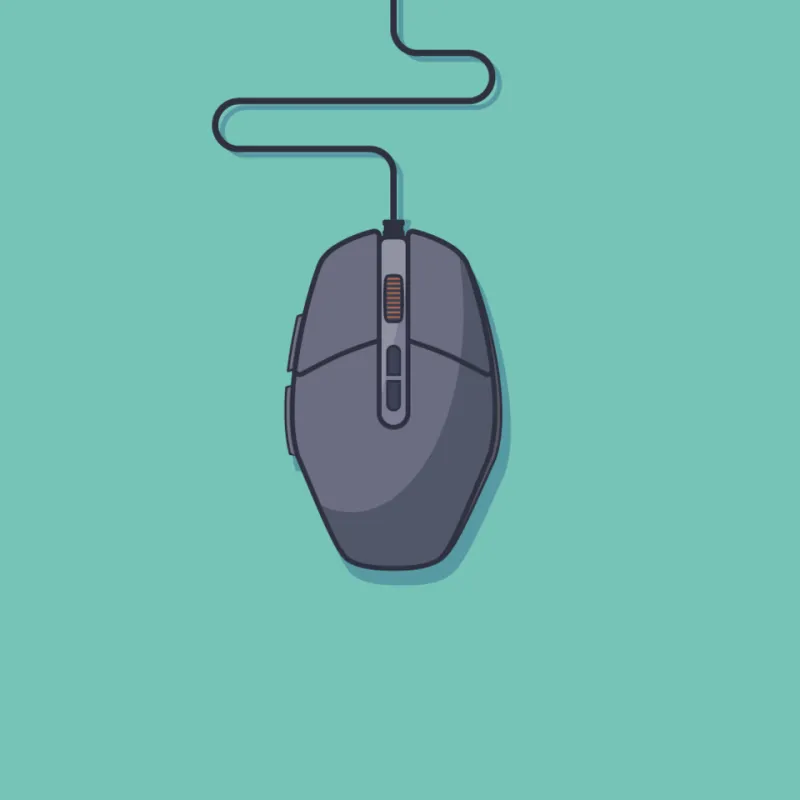
That's shifted noticeably in the last couple of years. A new wave of mice has hit the market with what you might call "claw-forward" geometry: moderate length, a rear hump that sits further back than traditional palm mice, side walls that angle inward slightly to support that arched finger position, and lighter overall builds that don't punish you for keeping your palm contact point closer to the rear.
Button placement has also evolved. The primary click zones on newer designs sit slightly more forward, which works better when your fingers are arched and making contact closer to the tip rather than the base. Small change on paper. Huge difference in feel during a long session.
Weight distribution matters too. A top-heavy mouse punishes claw grip because your arched fingers are doing more of the lifting. The trend toward lighter mice — many now under 60 grams — has been a genuine unlock for claw players who previously dealt with fatigue that had more to do with their hardware than their technique.
What the Competitive Scene Is Actually Saying
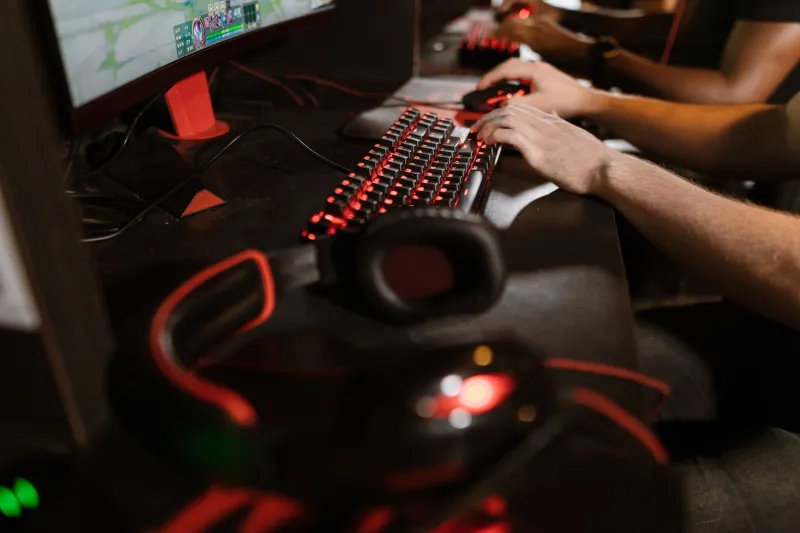
Talk to players in the upper tiers of games like Valorant, CS2, or Apex Legends and you'll start hearing claw grip mentioned without the old apology attached to it. Players who switched to palm because a coach told them to are switching back. Some are describing it as "rediscovering" a grip that felt natural to them before they were told it was wrong.
The interesting data point isn't just that claw is back — it's who is coming back to it. These aren't newer players defaulting to bad habits. These are experienced competitors who've spent years optimizing every variable in their setup and are landing on claw grip as a deliberate, informed choice.
The testimonials tend to hit the same notes: better click responsiveness, more confident micro-corrections, and — with the right mouse — no increase in fatigue compared to palm. That last part is key. The fatigue concern was real, but it was also heavily dependent on hardware that didn't support the grip. Match the mouse to the technique and the calculus changes.
So Should You Actually Switch?
Not necessarily — and that's worth saying clearly. Palm grip isn't going anywhere. Fingertip grip still has its devoted following. Grip style is deeply personal, tied to hand size, play style, and the specific games you're playing.
But if you've always felt a little more comfortable with your fingers arched, or if you've been told claw grip is wrong without anyone explaining why, it might be worth revisiting. Especially now that the hardware exists to support it properly.
When you're shopping, look for mice in the 58–68mm width range with a moderate rear hump height. Prioritize lighter builds — under 70 grams gives you much more flexibility. Pay attention to button placement and how far forward the click zone starts. And if you can, try before you buy; grip ergonomics are one of those things that live or die in the hands, not on a spec sheet.
The claw grip comeback isn't a trend. It's a correction — a recognition that dismissing an entire grip style based on incomplete evidence left a lot of players using gear and technique that wasn't actually built for how they naturally hold a mouse.
The hardware is finally catching up. The competitive results are speaking for themselves. Claws out.