Before the Box: How Pro Gamers Are Shaping the Mice You'll Buy Next Year
By the time a new mouse lands on shelves at Best Buy or shows up in your Amazon recommendations, it's already been through something most people never think about. Somewhere between the engineering lab and the retail floor, a handful of professional gamers got their hands on early versions, clicked through hundreds of hours of competitive play, and fed notes back to the manufacturer. That feedback loop — quiet, contractually sealed, and surprisingly influential — is one of the most important forces shaping what you eventually buy.
Welcome to the world of pro mouse prototype testing. It's not exactly a secret, but nobody's putting out press releases about it either.
The Invite You'll Never Get
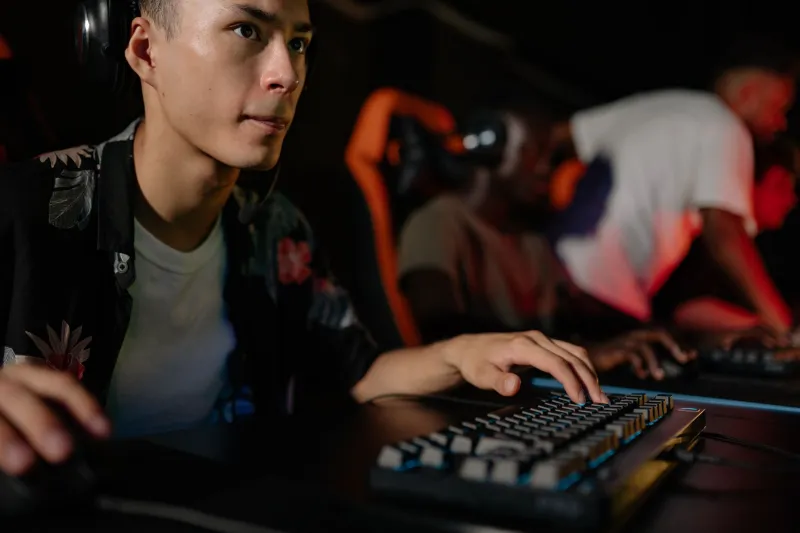
Mouse manufacturers don't just hand pre-release hardware to anyone. The players who get early access are typically contracted directly with brands — think sponsored pros on Tier 1 rosters in games like Valorant, CS2, or Apex Legends. These are athletes whose hands are on a mouse for six, eight, sometimes ten or more hours a day. Their feedback isn't casual. It's professional-grade data collected from real competitive conditions that no lab stress test can fully replicate.
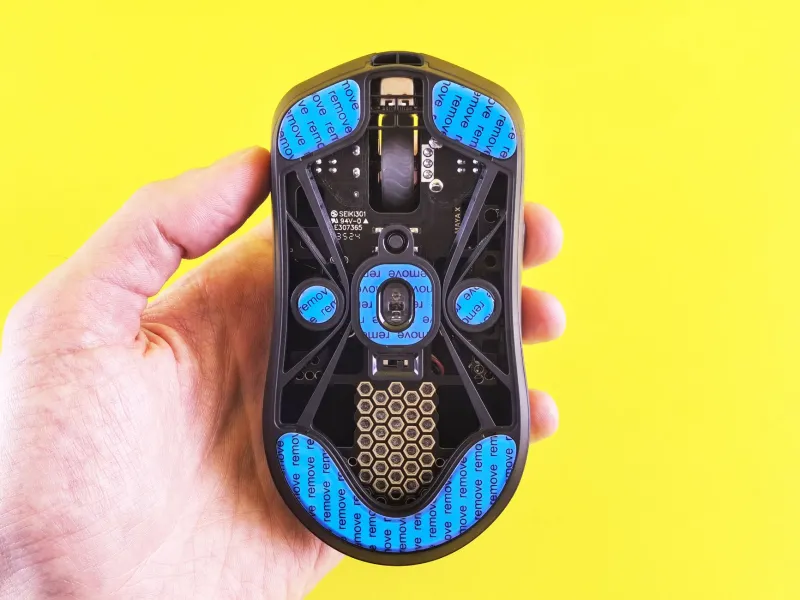
Some manufacturers go even further, embedding industrial designers and ergonomics specialists directly into conversations with pro players. The goal is to catch problems that only show up during a two-hour ranked grind or a high-stakes tournament match — things like subtle shell flex under palm pressure, scroll wheel wobble during fast movements, or a center of gravity that feels fine in casual play but gets fatiguing during extended sessions.
The relationships are usually formalized through NDAs, often buried inside broader sponsorship agreements. Players can't post about the hardware, can't hint at specs, and in some cases can't even confirm that they've been using anything other than their current publicly listed setup. The secrecy isn't just corporate paranoia — it's competitive. Leaking a shape or feature before launch can hand rival brands time to respond or adjust their own roadmaps.
What the Feedback Actually Looks Like
It's tempting to imagine pro players filling out detailed engineering surveys, but the reality is messier and more human than that. A lot of the feedback happens through direct conversation — a brand rep sitting in a team's practice facility, watching players use a prototype, and asking questions. What felt off? Where did your grip shift? Did the side buttons feel like they were in the right place?
Some brands have moved toward more structured processes, providing standardized questionnaires or even motion-capture sessions to track how a player's grip evolves over a session. Others rely almost entirely on informal relationships built over years of sponsorship. The quality of feedback varies wildly depending on how well the brand communicates with its athletes and how technically articulate those athletes are about what they're experiencing.
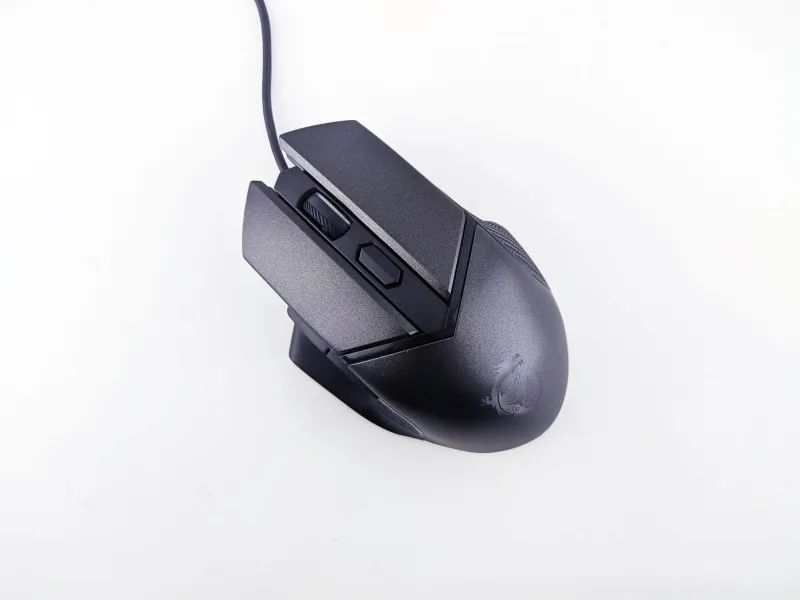
What tends to make it through to the final product? Shape refinements are the big one. Weight distribution tweaks. Button actuation force adjustments. Sensor placement shifts that might seem minor on paper but meaningfully change how a mouse tracks during low-sensitivity flicking. The stuff that gets cut is usually cost-driven — features that tested well but couldn't survive the pricing math of a retail product.
The NDA Problem (And Why Leaks Happen Anyway)
Here's the thing about tight NDAs in a world where every pro player has a Twitch stream and a Twitter following: leaks happen. Not always intentionally. A prototype spotted on a streaming setup during a VOD review. A blurry photo from a LAN event. A player who forgets to swap back to their retail mouse before going live.
The enthusiast community has gotten remarkably good at reading these signals. Sites and Discord communities dedicated to mouse hardware have entire threads devoted to identifying unreleased shapes from partial glimpses. Regulars cross-reference known brand molds, button layouts, and cable styles to narrow down what they're seeing. It's part detective work, part educated guessing — and it's surprisingly accurate.
For everyday buyers, these leaks are one of the most reliable early indicators of what's coming. If you see a sponsored pro quietly using something that doesn't match any current product on their brand's lineup, pay attention. That shape is probably six to twelve months from a retail announcement.
What This Means If You're Shopping Now
Understanding the prototype pipeline changes how you should think about buying a mouse. A few practical takeaways:
Pro setups are a leading indicator, not a lagging one. By the time a mouse gets widely adopted on the pro circuit, it's often already been through at least one revision cycle. The version you're buying at retail may actually be better than what the pros initially tested — refined based on exactly the feedback they provided.
Sponsorship switches signal upcoming launches. When a high-profile player quietly changes their listed peripherals on Liquipedia or their own website, it often means a new product is coming from that brand. Manufacturers time these announcements carefully, but the sponsorship paperwork moves first.
Shape families matter more than individual models. Brands rarely reinvent from scratch. If you love the shape of a current flagship mouse, the next generation is probably going to be an evolution of that geometry, not a departure from it. Pro feedback tends to push manufacturers toward refinement rather than revolution.
The mice pros use at majors are worth watching. Tournament footage is publicly available, and the peripherals players use during high-stakes events are often the ones they trust most — which sometimes means prototypes that haven't shipped yet.
The Bigger Picture
There's something genuinely interesting about the fact that some of the most influential product feedback in consumer hardware comes from a few hundred elite players whose daily job is to click on virtual targets faster than anyone else on earth. It's a strange and specific kind of expertise, but it maps surprisingly well onto what the rest of us actually care about in a mouse: precision, reliability, and comfort under pressure.
The pro prototype pipeline isn't perfect. It's biased toward certain grip styles, certain game genres, and certain hand sizes that happen to be overrepresented at the top of competitive rosters. The feedback loop doesn't do a great job of capturing the needs of someone who switches between gaming and spreadsheet work, or a player who uses an unusual grip. That's a real gap.
But it does mean that the mice hitting shelves today are measurably better than they would be without that process. The next time you pick up a mouse that just feels right — the button placement intuitive, the weight balanced, the shape somehow exactly what your hand wanted — there's a decent chance a pro player you watch on stream had something to do with that.