The Ultralight Hangover: Why the 50-Gram Arms Race Needs a Reality Check

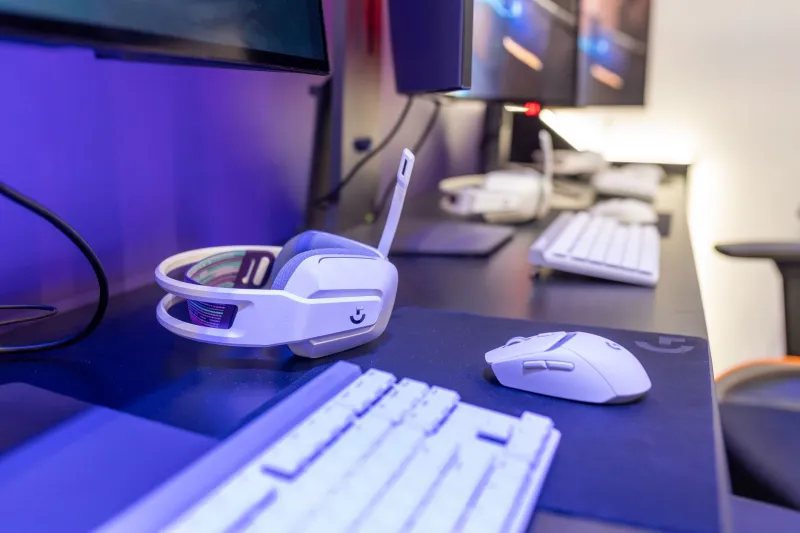
Photo: ultralight gaming mouse honeycomb shell on desk close up, via imgcdn.corsme.com
Ultralight mice are easy to admire. Pick one up, give it a quick flick, and the first thought is usually some variation of wow, this thing is barely there. That reaction is real, and for plenty of gamers it is exactly what they want. But somewhere between the first 60-gram shell and the current crop of sub-50-gram mice, the conversation got flattened into a single number. Lighter became better, and better became lighter. That is not how hardware works.
This is not an argument for heavy bricks. It is an argument for treating weight as one variable among many. A 48-gram mouse can feel dialed-in and planted. Another 48-gram mouse can feel like a creaky toy with a hollow click and a center of mass that wants to audition for a frisbee team. The spec sheet will not tell you which one you bought.
The number on the box is not the whole mouse
Weight matters because it changes how much force you need to start and stop the mouse. Less mass generally means quicker flicks and less fatigue during long sessions. That is the upside, and it is a real one. But mass is not evenly distributed, and it is not the only thing your hand notices.
A good ultralight mouse has a shell that resists side pressure without flexing into the switches. It has a click that feels crisp without being so light that a resting finger fires it accidentally. It has a scroll wheel that does not rattle when you flick. And it has a center of gravity that sits somewhere sensible instead of making the front end dive or the back end wag.
Those qualities do not show up in grams. They show up in hand.
Where the weight actually comes from
Manufacturers shed grams in predictable ways: thinner shell walls, honeycomb cutouts, smaller batteries, lighter scroll wheels, and more exotic materials. None of those choices are automatically bad. The problem is that each one is a trade-off, and the marketing copy rarely spends much time on the second half of the sentence.
Honeycomb holes can reduce weight and add grip texture, but they can also collect dust, expose your hand to sharp edges, and make the shell feel less solid. A smaller battery saves weight, but it may change the balance and reduce runtime. A lighter click tension can feel fast, but it can also make the mouse feel twitchy under a relaxed finger.
The best ultralights are not the ones with the most aggressive cutouts. They are the ones where the weight savings did not wreck the parts you touch every day.
Grip style changes the math
A fingertip gripper and a palm gripper do not need the same mouse. Fingertip players often benefit from a lighter shell because they are steering with small finger movements and want as little inertia as possible. Claw grippers tend to want a stable rear hump and a light front end for quick micro-adjustments. Palm grippers usually need more shell support and a shape that fills the hand, which often means a little more weight is a fair trade for comfort.
Game genre matters too. Tactical shooters reward stability and stopping control. Tracking-heavy games reward smooth, low-friction movement. MOBAs and MMOs can involve long sessions with lots of clicking, where click feel and hand comfort matter more than shaving five grams. Creative and professional work adds another wrinkle: you may spend eight hours in spreadsheets and design apps, not just deathmatches.
Your desk setup is part of the equation as well. A very light mouse on a very fast pad can feel like ice-skating in socks. Pair that same mouse with a control pad and it may feel precise and planted. Neither setup is wrong. They are just different systems.
A practical checklist for judging an ultralight
Before you commit, run through a few simple checks.
- Squeeze the sides gently. Does the shell flex or creak? Does a side button trigger before you mean it to?
- Shake it near your ear. Listen for battery rattle, scroll wheel wobble, or loose parts.
- Rest your finger on the primary click. Does it fire from the weight of your hand alone?
- Check the balance. Lift the mouse by the middle and see whether the front or rear drops. Neither should feel dramatically heavier.
- Test the coating. Does it get slick after ten minutes, or does it stay grippy?
- Use it for a full session, not a thirty-second demo. Fatigue shows up late.
- Buy from a retailer with a real return policy. Shape and weight are personal, and no review can fully predict your hand.
The bottom line
The ultralight race gave us some excellent mice. It also gave us a lot of hollow shells dressed up as innovation. The sweet spot is not a universal number. It is the weight that lets you stop the mouse where you want, click without thinking, and finish a long session without your hand filing a complaint.
At FlyMouses, we like light mice. We just do not worship them. A well-engineered 60-gram mouse can beat a flimsy 48-gram mouse every day of the week. Buy the whole mouse, not the number.